
Why AI Website Builders Often Don’t Work
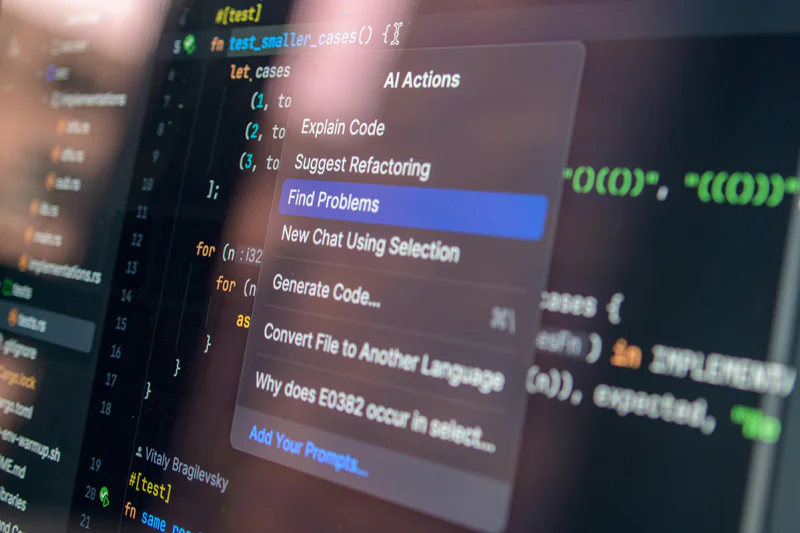
AI tools have made it easier than ever to create a website. In just a few minutes, you can generate pages, write content, and publish something that looks complete.
And at first glance, that can feel like a huge win.
But here’s what many business owners discover shortly after launching an AI-built site:
It’s live… but it’s not actually working.
No inquiries. No conversions. No real traction.
Let’s talk about why that happens—and what to do about it.
1. It Looks Like a Website… But Lacks Strategy
AI is great at generating structure:
- A homepage
- A few sections
- Some basic content
But it doesn’t understand your business goals, your audience, or what makes your services different.
Without that strategy, your website may:
- Feel generic
- Miss key messaging
- Fail to guide visitors toward taking action
A successful website isn’t just built—it’s planned.
2. The Content Sounds Polished… But Says Very Little
AI-generated content often sounds professional, but when you read closely, it tends to be:
- Vague
- Repetitive
- Lacking specific details
For example, instead of clearly explaining what you offer, it may rely on general phrases like:
“We provide high-quality solutions tailored to your needs.”
That doesn’t help a potential client understand why they should choose you.
Strong websites use clear, specific, and meaningful language.
3. There’s No Clear Path for the Visitor
One of the biggest issues with AI-generated sites is a lack of direction.
Visitors may land on the site and think:
- What should I do next?
- How do I get started?
- Is this business even legit?
Without clear calls-to-action, users often leave without taking any step.
A good website leads visitors naturally toward contacting you or making a purchase.
4. Trust Signals Are Missing
This is especially important for service-based businesses.
AI doesn’t automatically include:
- Real client testimonials
- Local information
- Clear contact details
- Business background or experience
Without these, your site may feel incomplete—or even questionable to potential customers.
People need to feel confident before they reach out.
5. It’s Not Built to Grow With Your Business
Many AI-generated websites are essentially a “first draft.”
They’re not set up with:
- SEO in mind
- Long-term content strategy
- Scalable structure
So even if you start getting traffic, the site may not support future growth.

So… Should You Use AI at All?
Yes—but as a tool, not a complete solution.
AI can be incredibly helpful for:
- Brainstorming ideas
- Drafting content
- Getting started quickly
But it still needs a human touch to:
- Refine messaging
- Add strategy
- Create a cohesive, effective website
How to Fix an AI-Built Website
If you already have a site created with AI, the good news is—you don’t have to start over.
Here are a few key improvements that can make a big difference:
- Clarify your messaging (what you do and who you serve)
- Add real details (services, location, experience)
- Strengthen your calls-to-action
- Include trust elements (reviews, photos, real-world examples)
- Clean up and simplify the layout
Even small updates can dramatically improve how your site performs.

A Quick Note
If your website is live but not bringing in results, it may not be a traffic problem—it may be a structure and messaging problem.
That’s something I help clients with all the time, whether it’s refining an existing site or building something more strategic from the ground up.
Final Thoughts
AI has made it easier than ever to get a website online.
But getting a website online and having a website that works are two very different things.
With the right strategy and a few thoughtful improvements, even a simple site can become a powerful tool for your business.
Recent Posts
-
Why Fast Websites Win More Customers
July 30, 2026 -
Website Trends for 2026: What Businesses Should Focus On
July 1, 2026 -
The Most Overlooked Page on Your Website
June 16, 2026